

Effect Of Amino Acids On Plants
Agriculture production is a very intensive business and is related to better quality and better yield leading to better profitability
Every farmer’s dreams to achieve this goal. However to achieve this goal with advancement of technology, use of fertilizer and pesticides in not adequate
Now is the time to look at Bioenergetics and Biochemical aspects of plants, to achieve the goal of
Farmers.
Every plant like any organism needs certain components for growth over and above soil, sun, rain and air. The basic component of living cells is proteins, with building block material, Amino Acids, Proteins are formed by sequence of Amino Acids
Plants synthesize Amino Acids from the Primary elements, the Carbon and Oxygen obtained from air, Hydrogen from water in the soil, forming Carbon Hydrate by means of photosynthesis and combining it with the Nitrogen which the plants obtain from the soil, leading to synthesis of amino acids, by collateral metabolic pathways. Only L-Amino Acids are part of these Proteins and have metabolic activity.
The requirement of amino acids in essential qualities is well know as a means to increase yield and overall quality of crops
The application of amino acids for Foliar use is based on its requirement by plants in general and at critical stages of growth in particular. Plants absorb Amino Acids through Stomas and is proportional to environment temperature
Amino Acids are fundamental ingredients in the process of Protein Synthesis. About 20 important Amino Acids are involved in the process of each function. Studies have proved that Amino Acids can directly or indirectly influence the physiological activities of the plant.
Amino Acids are also supplied to plant by incorporating them into the soil. It helps in improving the microflora of the soil thereby facilitating the assimilation of nutrients.
Foliar Nutrition in the form of Protein Hydrolysate (Know as Amino Acids Liquid) and foliar spray provide readymade building blocks for Protein Synthesis.
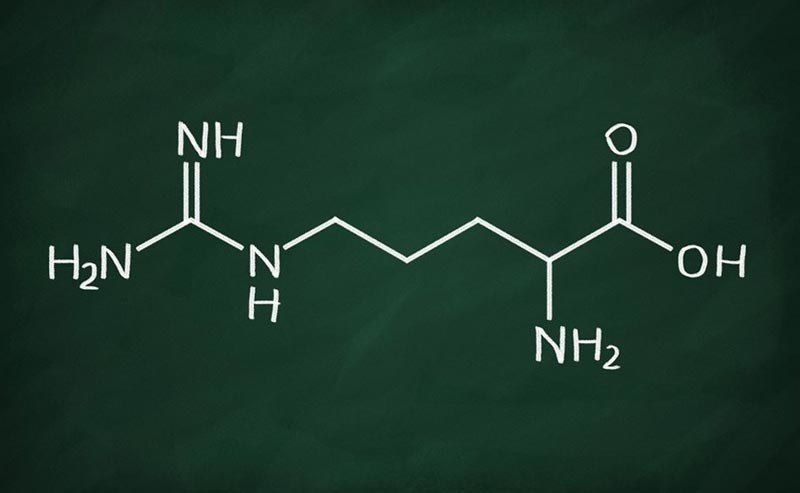
Effect On Plants:
- Protein Synthesis
- Stress Resistance
- Effect of Photosynthesis
- Action on the Stomas
- Chelating Effect
- Amino Acids & Phytohormones
- Pollination and Fruit formation
- Equilibrium of soil flora
- General
Protein Synthesis
Proteins have a structure function, metabolic function (enzymes) a transport function and a stock of Amino Acids function.
Only L – Amino Acids are assimilated by plants. D-Amino Acids are not recognized by the enzymatic locus and therefore can not participate in protein synthesis.
Hence Amino Acids obtained by organic synthesis are not well assimilated
Stress resistance
Stress such as High temperature, Low humidity, Frost, Pest attack, Hailstorm, Floods have a negative effect on plants metabolism with a corresponding reduction in crop quality and quantity
The application of Amino Acids before, during and after the stress conditions supplies the plants with Amino Acids which are directly related to stress physiology and thus has a preventing and recovering effect
Effect of Photosynthesis
Plants synthesize carbohydrates by photosynthesis, Low photosynthesis rate implies a slow growth leading to death of the plant, chlorophyll is the responsible molecule for the absorption of the light energy
Glycine and Glutamic Acid are fundamental metabolites in the process of formation of vegetable tissue and chlorophyll synthesis
These Amino Acids help to increase chlorophyll concentration in the plant leading to higher degree of photosynthesis. This makes crops lush green
Action on the Stomas
Stomas are the cellular structures that control the hydric balance of the plant, the marco and micronutrient absorption and the absorption of gases
The opening of the stomas is controlled by both external factors (light, humidity, temperature and salt concentration) and internal factors (amino acids concentration, abcisic acid etc)
The Stomas are closed when light and humidity are low & temperature and salt concentration are high, when stomas are closed photosynthesis and transpiration are reduced (low absorption of marco & micronutrients) and respiration is increased (Carbohydrate destruction)
In this case the metabolic balance of the plant is negative. Catabolism is higher then anabolism, this implies slow metabolism and stops the plant growth
L-Glutamic acid acts as a cytoplasm osmotic agent of the “Guard Cell”. Thus favouring opening of the stomas.
Chelating Effect
Amino Acids have a chelating effect on micronutrients. When applied together with micronutrients, the absorption and transportation of micronutrients inside the plant is easier
This effect is due to the chelating action and to the effect of cell membrane permeability
L-Glycine & L-Glutamic Acid are know to be very effective chelating agents